
- E: [email protected]
- P: (234)814-740-2857
- F: (234)7061298701
Translation services with 15 years of experience
Call Us at:
Translation services with 15 years of experience
Call Us at:

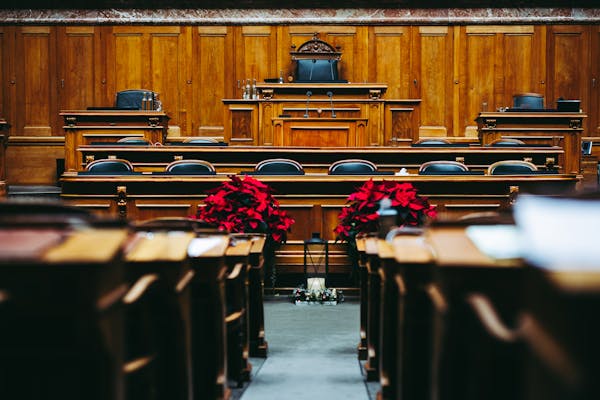
In Nigeria, where diverse linguistic groups coexist, legal interpretation services play a pivotal role in ensuring equal access to justice for all citizens. The country’s rich tapestry of languages, comprising over 500 ethnic groups, poses a significant challenge within the legal system. Without adequate interpretation services, linguistic barriers can impede individuals’ understanding of their rights, obstruct communication between parties, and undermine the integrity of legal proceedings.
Legal interpretation services serve as the bridge between different languages, facilitating effective communication between parties involved in legal processes. Whether in courtrooms, law enforcement settings, or legal consultations, interpreters play a crucial role in ensuring that all participants can comprehend and articulate their positions accurately. This not only promotes fairness but also upholds the principles of due process and equality before the law.
One of the primary beneficiaries of legal interpretation services in Nigeria is the judiciary. In courtrooms across the country, interpreters enable judges, lawyers, defendants, and witnesses to communicate effectively, regardless of their language proficiency. This ensures that all parties can fully participate in proceedings, present their evidence, and understand the implications of legal decisions. Moreover, interpreters help to prevent misunderstandings and misinterpretations that could potentially jeopardize the outcome of cases.
Legal interpretation services extend beyond formal court settings to include legal consultations, police interrogations, and administrative hearings. In these contexts, interpreters facilitate communication between individuals and legal professionals, ensuring that all parties can comprehend the legal implications of their actions and make informed decisions. This is particularly crucial in matters involving criminal justice, where misunderstandings due to language barriers can have serious consequences for individuals’ rights and liberties.
Legal interpretation services contribute to the promotion of linguistic diversity and cultural understanding within the legal system. By acknowledging and accommodating the linguistic needs of diverse communities, Nigeria’s legal framework reflects its commitment to inclusivity and respect for cultural differences. This fosters trust and confidence in the legal system, as individuals feel heard, understood, and valued regardless of their linguistic background.
However, despite their importance, legal interpretation services in Nigeria face various challenges that hinder their effectiveness. The limited availability of qualified interpreters, especially in indigenous languages, poses a significant obstacle to ensuring comprehensive language access. Additionally, issues such as interpreter bias, confidentiality concerns, and ethical dilemmas require ongoing attention and regulation to maintain professional standards and safeguard the rights of all parties involved.
In Nigeria, legal interpretation services play a crucial role in facilitating effective communication and ensuring fair outcomes in legal proceedings. With a diverse population speaking numerous languages, the need for qualified interpreters is paramount to guaranteeing access to justice for all citizens.
Legal proceedings, whether in courtrooms, police stations, or legal consultations, require clear and accurate communication between parties. However, linguistic diversity poses a challenge, as individuals may not be fluent in the language used in legal contexts. This is where legal interpretation services come into play, bridging the gap between different languages and facilitating meaningful interactions.
In courtrooms, interpreters enable judges, lawyers, defendants, and witnesses to understand and convey information accurately. They ensure that all parties comprehend the legal proceedings, evidence presented, and arguments made, regardless of their linguistic background. This is essential for upholding the principles of due process and ensuring that everyone has the opportunity to participate fully in their legal proceedings.
Legal interpretation services are indispensable in police stations during interrogations and interviews. Interpreters assist law enforcement officers in communicating with individuals who may not speak the official language fluently. This is crucial for gathering accurate information, conducting investigations effectively, and respecting the rights of suspects and witnesses.
Legal interpretation services play a vital role in legal consultations and administrative hearings. Whether individuals are seeking legal advice, attending immigration hearings, or resolving disputes through mediation, interpreters facilitate communication and ensure that all parties understand their rights and responsibilities.
Legal interpretation services contribute to the efficiency and integrity of the legal system. By reducing misunderstandings and miscommunications, interpreters help to expedite legal proceedings and prevent costly delays. This benefits not only the individuals directly involved but also the judiciary and legal professionals tasked with administering justice.
Despite their importance, legal interpretation services in Nigeria face challenges such as a shortage of qualified interpreters, particularly in indigenous languages, and the lack of standardized training and certification processes. Addressing these challenges requires investment in interpreter education and training programs, as well as the development of professional standards and accreditation mechanisms.
In Nigerian courts, where legal proceedings are conducted in a variety of languages due to the country’s diverse population, interpretation services play a pivotal role in ensuring legal clarity and fair outcomes. The effective communication of legal concepts, evidence, and arguments is essential for upholding the rule of law and ensuring that justice is served.
Interpretation services in Nigerian courts are particularly crucial during trials, where judges, lawyers, defendants, witnesses, and jurors must understand and convey complex legal information. Without proficient interpretation, individuals may struggle to comprehend the proceedings, leading to misunderstandings, misinterpretations, and potentially unjust outcomes.
One of the primary responsibilities of interpreters in Nigerian courts is to accurately convey spoken words and written documents from one language to another. This requires not only fluency in multiple languages but also a deep understanding of legal terminology and procedures. Interpreters must be able to convey the nuances and subtleties of legal language while maintaining clarity and accuracy.
Interpretation services are indispensable in ensuring that all parties have equal access to justice, regardless of their language proficiency. By providing interpretation for defendants, witnesses, and other participants who do not speak the language of the court fluently, interpreters enable them to understand the charges against them, present their evidence effectively, and participate meaningfully in their defense.
Interpretation services contribute to the transparency and integrity of the judicial process by ensuring that all parties have a clear understanding of their rights and obligations. When individuals can communicate effectively with the court, they are more likely to trust the legal system and accept its decisions, even if they do not always agree with them.
Facilitating communication during trials, and interpretation services are also essential for administrative hearings, legal consultations, and other legal proceedings. Interpreters assist individuals in understanding legal documents, communicating with legal professionals, and navigating the complexities of the legal system.
Despite their importance, interpretation services in Nigerian courts face various challenges, including a shortage of qualified interpreters, especially in indigenous languages, and the lack of standardized training and certification processes. Addressing these challenges requires investment in interpreter education and training programs, as well as the development of professional standards and accreditation mechanisms.
In Nigeria, a country with over 500 ethnic groups and multiple languages spoken, legal interpretation services play a critical role in bridging language barriers within the legal system. These services are essential for ensuring effective communication, promoting access to justice, and upholding the rights of all individuals, regardless of their linguistic background.
Language barriers pose a significant challenge in Nigeria’s legal landscape, where legal proceedings, consultations, and documentation are conducted in various languages. Without proficient interpretation, individuals may struggle to understand legal concepts, articulate their positions, or comprehend their rights and obligations under the law.
Legal interpretation services encompass a range of activities, including oral interpretation during court proceedings, written translation of legal documents, and assistance in legal consultations and administrative hearings. Interpreters must possess fluency in multiple languages, as well as a deep understanding of legal terminology, procedures, and cultural nuances.
In Nigerian courts, interpreters play a crucial role in ensuring that all parties can fully participate in legal proceedings. They facilitate communication between judges, lawyers, defendants, witnesses, and jurors, enabling them to understand and convey information accurately. This promotes fairness, transparency, and the rule of law within the judicial system.
Legal interpretation services extend beyond the courtroom to include legal consultations and administrative processes. Interpreters assist individuals in understanding legal documents, communicating with legal professionals, and navigating the complexities of the legal system. This is particularly important in matters such as immigration, family law, and property rights, where legal decisions can have far-reaching implications for individuals and communities.
The importance of legal interpretation services is further underscored by Nigeria’s commitment to upholding linguistic diversity and promoting inclusivity within the legal system. By providing interpretation in multiple languages, the legal system recognizes and respects the linguistic rights of all citizens, regardless of their ethnic or cultural background.
Despite their importance, legal interpretation services in Nigeria face several challenges, including a shortage of qualified interpreters, especially in indigenous languages, and the lack of standardized training and certification processes. Addressing these challenges requires investment in interpreter education and training programs, as well as the development of professional standards and accreditation mechanisms.
In Nigeria, legal interpretation services serve as a crucial mechanism for facilitating access to justice for all citizens, regardless of their linguistic background. With a diverse population speaking numerous languages, these services play a pivotal role in ensuring that individuals can effectively navigate the legal system and assert their rights.
Access to justice is a fundamental principle that underpins the rule of law and the protection of individual rights. However, linguistic barriers can pose significant obstacles to accessing legal services and participating fully in legal proceedings. Without proficient interpretation, individuals may struggle to understand legal concepts, communicate with legal professionals, or access essential legal information.
Legal interpretation services encompass a wide range of activities, including oral interpretation during court proceedings, written translation of legal documents, and assistance in legal consultations and administrative hearings. Interpreters must possess fluency in multiple languages, as well as a deep understanding of legal terminology, procedures, and cultural nuances.
In Nigerian courts, interpreters play a critical role in ensuring that all parties can comprehend and communicate effectively during legal proceedings. They facilitate communication between judges, lawyers, defendants, witnesses, and jurors, enabling them to understand and convey information accurately. This promotes fairness, transparency, and the rule of law within the judicial system.
Legal interpretation services extend beyond the courtroom to include legal consultations and administrative processes. Interpreters assist individuals in understanding legal documents, communicating with legal professionals, and navigating the complexities of the legal system. This is particularly important in matters such as immigration, family law, and property rights, where legal decisions can have far-reaching implications for individuals and communities.
Access to legal interpretation services is essential for ensuring equal protection under the law and safeguarding the rights of vulnerable populations, including indigenous communities, migrants, and individuals with limited English proficiency. By providing interpretation in multiple languages, the legal system acknowledges and respects the linguistic diversity of the population, thereby promoting inclusivity and equal treatment before the law.
Despite their importance, legal interpretation services in Nigeria face several challenges, including a shortage of qualified interpreters, especially in indigenous languages, and the lack of standardized training and certification processes. Addressing these challenges requires investment in interpreter education and training programs, as well as the development of professional standards and accreditation mechanisms.
In Nigeria, the provision of interpretation services has a profound impact on individuals’ ability to understand and assert their legal rights. With a diverse population comprising numerous linguistic groups, effective communication in legal contexts is essential for ensuring that individuals can access justice and exercise their rights within the legal system.
Legal rights form the foundation of a fair and just society, guaranteeing individuals protection from arbitrary actions by the state and providing avenues for seeking redress in case of violations. However, the realization of these rights depends on individuals’ ability to comprehend legal proceedings, navigate legal processes, and communicate effectively with legal professionals.
Interpretation services play a critical role in bridging linguistic barriers and facilitating communication between individuals and the legal system. In Nigerian courts, interpreters ensure that all parties can understand and articulate their positions, present evidence, and comprehend the implications of legal decisions. This promotes fairness, transparency, and the rule of law within the judicial system.
Interpretation services extend beyond the courtroom to include legal consultations, administrative hearings, and interactions with law enforcement agencies. Interpreters assist individuals in understanding their legal rights and obligations, accessing legal services, and navigating the complexities of the legal system. This is particularly important for marginalized and vulnerable populations, including indigenous communities, migrants, and individuals with limited English proficiency.
By providing interpretation services in multiple languages, the legal system acknowledges and respects the linguistic diversity of the population, thereby promoting inclusivity and equal treatment before the law. Access to interpretation services ensures that individuals can participate fully in legal proceedings, regardless of their linguistic background, and assert their rights effectively.
Interpretation services contribute to the efficiency and integrity of the legal system by reducing misunderstandings, misinterpretations, and delays in legal proceedings. Qualified interpreters play a crucial role in ensuring accurate communication, preserving the rights of individuals, and upholding the principles of due process and fair trial.
Despite their importance, interpretation services in Nigeria face challenges, including a shortage of qualified interpreters, especially in indigenous languages, and the lack of standardized training and certification processes. Addressing these challenges requires investment in interpreter education and training programs, as well as the development of professional standards and accreditation mechanisms.
In Nigeria, legal interpretation services play a pivotal role in securing fair trials and upholding the principles of justice within the legal system. With a diverse population speaking numerous languages, effective communication in legal proceedings is essential for ensuring that all parties receive a fair and impartial hearing.
Fair trials are a cornerstone of the rule of law, guaranteeing individuals the right to a fair and public hearing by an impartial tribunal. However, linguistic barriers can hinder individuals’ ability to understand legal proceedings, communicate with legal professionals, and assert their rights effectively. Legal interpretation services address these barriers by providing language assistance to individuals who do not speak the language of the court fluently.
In Nigerian courts, interpreters facilitate communication between judges, lawyers, defendants, witnesses, and jurors, ensuring that all parties can understand and articulate their positions, present evidence, and comprehend the implications of legal decisions. This promotes fairness, transparency, and the rule of law within the judicial system.
Legal interpretation services contribute to the integrity of the legal process by ensuring that individuals have equal access to justice, regardless of their linguistic background. By providing interpretation services in multiple languages, the legal system acknowledges and respects the linguistic diversity of the population, thereby promoting inclusivity and equal treatment before the law.
Access to interpretation services is particularly crucial for marginalized and vulnerable populations, including indigenous communities, migrants, and individuals with limited English proficiency. Interpreters assist these individuals in understanding their legal rights and obligations, accessing legal services, and navigating the complexities of the legal system.
Interpretation services play a vital role in preventing miscarriages of justice by reducing misunderstandings, misinterpretations, and errors in legal proceedings. Qualified interpreters ensure accurate communication, preserve the rights of individuals, and uphold the principles of due process and fair trial.
Despite their importance, interpretation services in Nigeria face challenges, including a shortage of qualified interpreters, especially in indigenous languages, and the lack of standardized training and certification processes. Addressing these challenges requires investment in interpreter education and training programs, as well as the development of professional standards and accreditation mechanisms.
In Nigeria, the provision of interpretation services is essential for promoting legal equality and ensuring that all individuals have equal access to justice within the legal system. With a diverse population comprising numerous linguistic groups, language barriers can pose significant obstacles to individuals’ ability to understand their legal rights and participate effectively in legal proceedings.
Legal equality is a fundamental principle that underpins the rule of law and the protection of individual rights. However, unequal access to interpretation services can undermine this principle by limiting individuals’ ability to communicate effectively with legal professionals, understand legal proceedings, and assert their rights.
Interpretation services play a crucial role in addressing these inequalities by providing language assistance to individuals who do not speak the language of the court fluently. In Nigerian courts, interpreters facilitate communication between judges, lawyers, defendants, witnesses, and jurors, ensuring that all parties can understand and articulate their positions, present evidence, and comprehend the implications of legal decisions.
Interpretation services extend beyond the courtroom to include legal consultations, administrative hearings, and interactions with law enforcement agencies. Interpreters assist individuals in understanding their legal rights and obligations, accessing legal services, and navigating the complexities of the legal system. This is particularly important for marginalized and vulnerable populations, including indigenous communities, migrants, and individuals with limited English proficiency.
Access to interpretation services is essential for promoting legal equality and ensuring that all individuals can exercise their rights and access justice on an equal basis. By providing interpretation services in multiple languages, the legal system acknowledges and respects the linguistic diversity of the population, thereby promoting inclusivity and equal treatment before the law.
Interpretation services play a vital role in preventing discrimination and bias in legal proceedings. Qualified interpreters ensure that individuals receive fair and impartial treatment, regardless of their linguistic background. This promotes confidence in the legal system and enhances public trust in the administration of justice.
Despite their importance, interpretation services in Nigeria face challenges, including a shortage of qualified interpreters, especially in indigenous languages, and the lack of standardized training and certification processes. Addressing these challenges requires investment in interpreter education and training programs, as well as the development of professional standards and accreditation mechanisms.
In Nigeria, interpretation services play a crucial role in safeguarding legal accuracy and ensuring that legal proceedings are conducted with precision and integrity. With a diverse population speaking multiple languages, effective communication in legal contexts is essential for upholding the rule of law and administering justice fairly.
Legal accuracy is paramount in legal proceedings, where the interpretation of evidence, testimony, and legal arguments can have significant implications for the outcome of cases. Interpretation services ensure that all parties involved in legal proceedings can understand and convey information accurately, regardless of their linguistic background.
In Nigerian courts, interpreters facilitate communication between judges, lawyers, defendants, witnesses, and jurors, ensuring that all parties can comprehend and articulate their positions, present evidence, and understand the implications of legal decisions. This promotes fairness, transparency, and the rule of law within the judicial system.
Interpretation services extend beyond the courtroom to include legal consultations, administrative hearings, and interactions with law enforcement agencies. Interpreters assist individuals in understanding legal documents, communicating with legal professionals, and navigating the complexities of the legal system. By providing accurate interpretation, interpreters help to ensure that individuals’ legal rights are protected and that legal proceedings are conducted in accordance with the law.
Access to interpretation services is essential for safeguarding legal accuracy and ensuring that individuals can participate fully in legal proceedings. Without proficient interpretation, individuals may struggle to understand legal concepts, communicate effectively with legal professionals, and assert their rights. This can lead to misunderstandings, misinterpretations, and potentially unjust outcomes.
Interpretation services play a vital role in preserving the integrity of the legal system by preventing errors and inaccuracies in legal proceedings. Qualified interpreters possess the linguistic skills and legal knowledge necessary to convey information accurately and ensure that all parties can understand and participate in legal proceedings effectively.
Despite their importance, interpretation services in Nigeria face challenges, including a shortage of qualified interpreters, especially in indigenous languages, and the lack of standardized training and certification processes. Addressing these challenges requires investment in interpreter education and training programs, as well as the development of professional standards and accreditation mechanisms.
In Nigeria, legal interpretation services serve as invaluable tools for breaking down linguistic obstacles within the legal system. With a population comprising over 500 ethnic groups and multiple languages spoken, effective communication in legal contexts is essential for ensuring access to justice and upholding the rule of law.
Linguistic obstacles pose significant challenges in legal proceedings, where clear and accurate communication is essential for individuals to understand their rights, present their cases, and participate effectively. Without proficient interpretation, individuals may struggle to comprehend legal concepts, articulate their positions, or navigate the complexities of the legal system.
Legal interpretation services play a critical role in addressing these obstacles by providing language assistance to individuals who do not speak the language of the court fluently. In Nigerian courts, interpreters facilitate communication between judges, lawyers, defendants, witnesses, and jurors, ensuring that all parties can understand and convey information accurately. This promotes fairness, transparency, and the rule of law within the judicial system.
Interpretation services extend beyond the courtroom to include legal consultations, administrative hearings, and interactions with law enforcement agencies. Interpreters assist individuals in understanding legal documents, communicating with legal professionals, and navigating the complexities of the legal system. By providing interpretation services in multiple languages, the legal system acknowledges and respects the linguistic diversity of the population, thereby promoting inclusivity and equal treatment before the law.
Access to interpretation services is essential for breaking down linguistic obstacles and ensuring that all individuals can exercise their rights and access justice on an equal basis. Interpreters enable individuals to participate fully in legal proceedings, regardless of their linguistic background, and ensure that their voices are heard and understood.
Interpretation services contribute to the efficiency and effectiveness of the legal system by reducing misunderstandings, misinterpretations, and delays in legal proceedings. Qualified interpreters ensure accurate communication, preserve the rights of individuals, and uphold the principles of due process and fair trial.
Despite their importance, interpretation services in Nigeria face challenges, including a shortage of qualified interpreters, especially in indigenous languages, and the lack of standardized training and certification processes. Addressing these challenges requires investment in interpreter education and training programs, as well as the development of professional standards and accreditation mechanisms.
In Nigeria, legal interpretation services serve as powerful tools for empowering communities and ensuring that all individuals have access to justice, regardless of their linguistic background. With a diverse population comprising numerous ethnic groups and languages, effective communication in legal contexts is essential for promoting inclusivity, fairness, and equal treatment before the law.
Empowering communities through legal interpretation services involves providing language assistance to individuals who may face barriers to understanding and participating in legal proceedings. In Nigerian courts, interpreters play a crucial role in facilitating communication between judges, lawyers, defendants, witnesses, and jurors, ensuring that all parties can understand and convey information accurately.
Interpretation services extend beyond the courtroom to include legal consultations, administrative hearings, and interactions with law enforcement agencies. Interpreters assist individuals in understanding legal documents, communicating with legal professionals, and navigating the complexities of the legal system. By providing interpretation services in multiple languages, the legal system acknowledges and respects the linguistic diversity of the population, thereby promoting inclusivity and equal treatment before the law.
Access to interpretation services is essential for empowering communities and ensuring that all individuals can exercise their rights and access justice on an equal basis. By breaking down linguistic barriers, interpreters enable individuals to participate fully in legal proceedings and ensure that their voices are heard and understood.
Interpretation services play a vital role in building trust and confidence in the legal system within communities. By providing accurate interpretation and ensuring that individuals receive fair and impartial treatment, interpreters promote transparency, accountability, and respect for the rule of law. This, in turn, fosters a sense of empowerment and belonging within communities, as individuals feel confident in their ability to seek redress for legal grievances and assert their rights effectively.
Despite their importance, interpretation services in Nigeria face challenges, including a shortage of qualified interpreters, especially in indigenous languages, and the lack of standardized training and certification processes. Addressing these challenges requires investment in interpreter education and training programs, as well as the development of professional standards and accreditation mechanisms.
In Nigeria, interpretation services have undergone a significant evolution, playing a crucial role in enhancing legal communication and ensuring effective interaction within the legal system. With a diverse population speaking multiple languages, interpretation services have become indispensable for promoting access to justice, facilitating fair trials, and upholding the rule of law.
The evolution of interpretation services in Nigeria can be traced back to the recognition of linguistic diversity within the legal system. As the country’s population grew more diverse, with over 500 ethnic groups and numerous languages spoken, it became evident that linguistic barriers could impede individuals’ ability to understand legal proceedings and assert their rights effectively.
To address this challenge, interpretation services began to emerge, initially in the form of ad-hoc arrangements where bilingual individuals or community members would assist with interpretation during legal proceedings. However, the need for qualified and professional interpreters soon became apparent, leading to the development of formal interpretation services within the legal system.
Today, interpretation services in Nigeria have evolved to encompass a wide range of activities, including oral interpretation during court proceedings, written translation of legal documents, and assistance in legal consultations and administrative hearings. Qualified interpreters possess fluency in multiple languages, as well as a deep understanding of legal terminology, procedures, and cultural nuances.
In Nigerian courts, interpreters play a crucial role in ensuring that all parties can understand and articulate their positions, present evidence, and comprehend the implications of legal decisions. This promotes fairness, transparency, and the rule of law within the judicial system.
Interpretation services extend beyond the courtroom to include legal consultations, administrative hearings, and interactions with law enforcement agencies. Interpreters assist individuals in understanding legal documents, communicating with legal professionals, and navigating the complexities of the legal system. By providing interpretation services in multiple languages, the legal system acknowledges and respects the linguistic diversity of the population, thereby promoting inclusivity and equal treatment before the law.
The evolution of interpretation services in Nigeria has been accompanied by challenges, including a shortage of qualified interpreters, especially in indigenous languages, and the lack of standardized training and certification processes. Addressing these challenges requires investment in interpreter education and training programs, as well as the development of professional standards and accreditation mechanisms.
In Nigeria, legal interpretation services play a vital role in upholding human rights by ensuring that all individuals have access to justice, regardless of their linguistic background. With a diverse population comprising numerous ethnic groups and languages, effective communication in legal contexts is essential for promoting fairness, equality, and respect for human rights within the legal system.
Human rights are fundamental rights and freedoms that are inherent to all individuals, regardless of race, nationality, ethnicity, religion, or language. These rights include the right to a fair trial, the right to equality before the law, and the right to access justice. However, linguistic barriers can hinder individuals’ ability to exercise these rights effectively.
Legal interpretation services address these barriers by providing language assistance to individuals who do not speak the language of the court fluently. In Nigerian courts, interpreters facilitate communication between judges, lawyers, defendants, witnesses, and jurors, ensuring that all parties can understand and convey information accurately. This promotes fairness, transparency, and the rule of law within the judicial system.
Interpretation services extend beyond the courtroom to include legal consultations, administrative hearings, and interactions with law enforcement agencies. Interpreters assist individuals in understanding legal documents, communicating with legal professionals, and navigating the complexities of the legal system. By providing interpretation services in multiple languages, the legal system acknowledges and respects the linguistic diversity of the population, thereby promoting inclusivity and equal treatment before the law.
Access to interpretation services is essential for upholding human rights and ensuring that all individuals can exercise their rights and access justice on an equal basis. By breaking down linguistic barriers, interpreters enable individuals to participate fully in legal proceedings and ensure that their rights are protected and upheld.
Interpretation services play a vital role in preventing discrimination and ensuring that individuals receive fair and impartial treatment in legal proceedings. Qualified interpreters ensure that individuals understand their rights and can assert them effectively, regardless of their linguistic background.
Despite their importance, interpretation services in Nigeria face challenges, including a shortage of qualified interpreters, especially in indigenous languages, and the lack of standardized training and certification processes. Addressing these challenges requires investment in interpreter education and training programs, as well as the development of professional standards and accreditation mechanisms.
In Nigeria’s dynamic legal landscape, interpretation services stand as critical pillars in ensuring legal clarity and facilitating effective communication across linguistic divides. With a diverse populace speaking myriad languages, these services play an indispensable role in guaranteeing access to justice and fostering fair legal processes.
Legal clarity is paramount in upholding the principles of justice and ensuring that all parties involved in legal proceedings can comprehend and articulate their positions accurately. Interpretation services act as conduits for clarity, bridging linguistic gaps and enabling seamless communication in legal contexts.
Within Nigerian courts, interpreters serve as vital links between judges, lawyers, defendants, witnesses, and jurors, ensuring that each party understands the proceedings and can effectively present their case. This not only promotes transparency and fairness but also upholds the fundamental tenets of due process.
Interpretation services extend beyond the courtroom, encompassing legal consultations, administrative hearings, and interactions with law enforcement agencies. Interpreters play a pivotal role in aiding individuals in understanding legal documents, communicating with legal professionals, and navigating the intricacies of the legal system.
By providing interpretation services in multiple languages, Nigeria’s legal system acknowledges and respects the linguistic diversity inherent in its society. This inclusive approach ensures that all citizens, regardless of their language proficiency, have equal access to justice and can exercise their legal rights effectively.
Access to interpretation services is crucial for ensuring legal clarity and promoting equitable treatment before the law. Without proficient interpretation, individuals may struggle to understand legal concepts, articulate their positions, or comprehend the implications of legal decisions, leading to potential injustices.
Interpretation services contribute to the efficiency and integrity of the legal system by reducing misunderstandings and errors in legal proceedings. Well-trained interpreters facilitate accurate communication, thereby preserving the rights of individuals and upholding the rule of law.
Despite their significance, interpretation services in Nigeria encounter challenges, including a shortage of qualified interpreters, particularly in indigenous languages, and the absence of standardized training and certification processes. Overcoming these obstacles necessitates investments in interpreter education, training programs, and the establishment of professional standards.
In conclusion, interpretation services play a pivotal role in ensuring legal clarity and fostering effective communication within Nigeria’s legal system. By promoting access to justice, facilitating fair legal processes, and upholding fundamental rights, interpreters contribute to the integrity and efficacy of the legal landscape. It is imperative to address existing challenges and continue enhancing the availability and quality of interpretation services to uphold the principles of justice for all citizens.
First Floor, GAFUNK House, 7, Afisman Drive , Anifowoshe, Ikeja, Lagos
Nigeria
Our translators are available 24 hours
based upon availability
© Copyright LagosTranslationservice . All Rights Reserved.